South Korea’s transition plan raises concerns over LNG expansion
Group says coal cuts mask fossil fuel swap.
Greenpeace East Asia raised concerns over South Korea’s latest energy transition plan, saying the strategy risks replacing coal with liquefied natural gas rather than delivering a full shift to clean energy.
The group said the government’s plan to lift renewable energy capacity to more than 100 gigawatts by 2030 and raise renewables’ share of power generation to above 20% was undermined by proposals to keep 21 coal-fired plants as security reserves after 2040.
Greenpeace said the plan would retire 40 of South Korea’s 60 coal plants by 2040, but argued the continued standby role for roughly a third of the fleet left open the possibility of prolonged coal use under the banner of energy security.
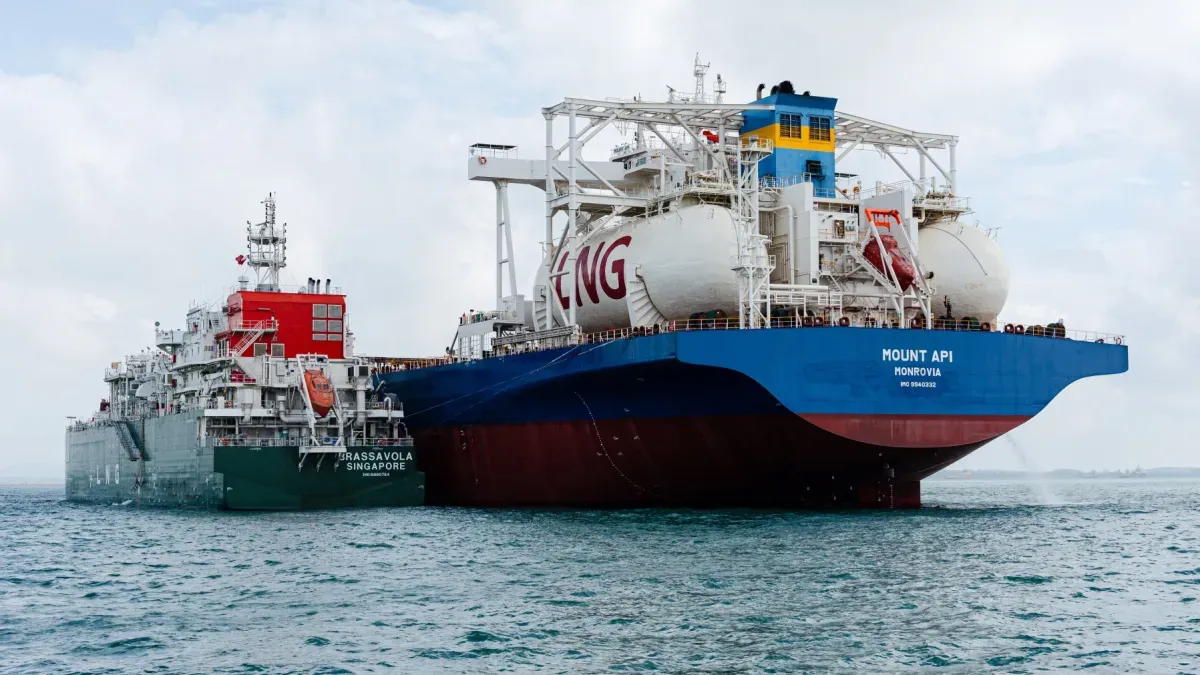
It also said the strategy would expand liquefied natural gas to the largest installed capacity in the country’s history, calling the approach a fossil fuel swap rather than a genuine energy transition amid geopolitical volatility linked to the war in Iran.
In transport, Greenpeace said the government’s goal for 40% of new vehicle sales to be electric or hydrogen by 2030 did not go far enough, and called for a phase-out date for internal combustion engine vehicle sales, tighter emissions rules, and a sunset clause for temporary fuel tax cuts.