Philippines urged to strengthen digital infrastructure, AI skills
Singapore’s policies on broadband and workforce alignment highlight practical reforms.
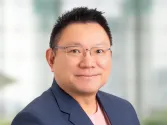
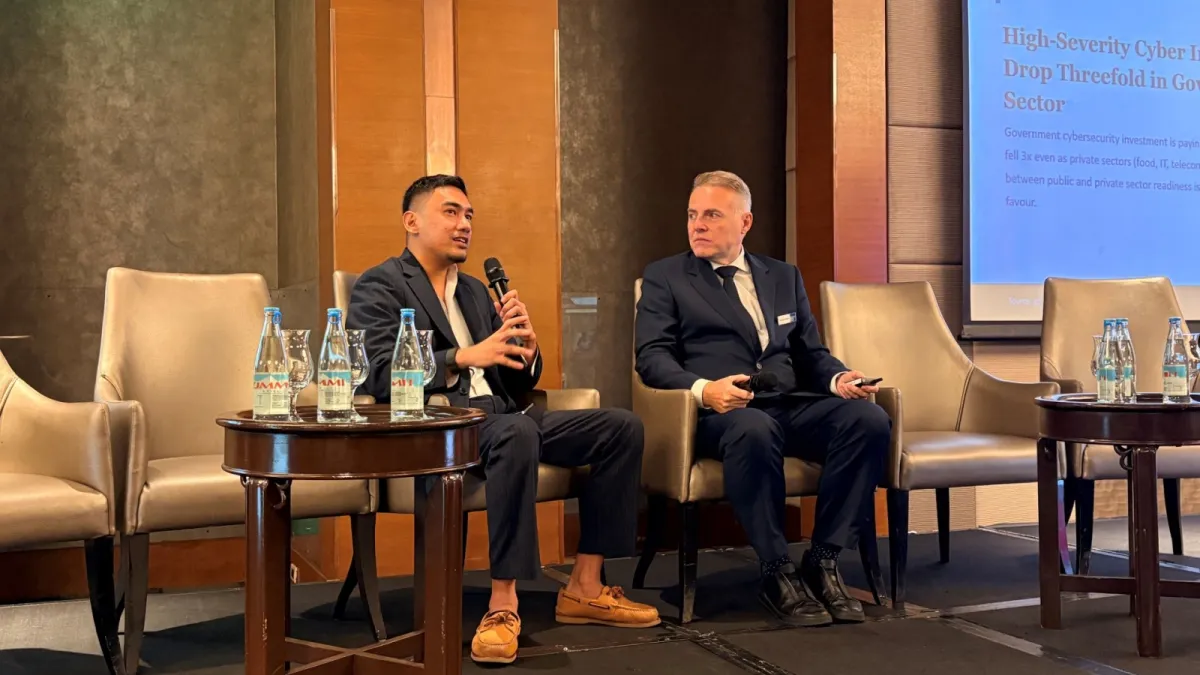
Asian governments are accelerating investments in digital infrastructure, workforce alignment, and artificial intelligence (AI) adoption, offering lessons for the Philippines, said Eucel Maximo, partner at YCP Holdings (Global) Limited (YCP), at the GovMedia Summit 2026 on March 17 at Makati Shangri-La.
He noted that Singapore’s government has rolled out a 10-gigabit-per-second fibre-to-home network and offers six months of paid access to AI training platforms for citizens, a model he said could be adopted in the Philippines, where average internet speeds range from 35 to 100 Mbps.
“At the base layer of everything would be the infrastructure,” he said during a fireside chat with Charlton Media Group Editor-in-Chief Tim Charlton. “The more, the faster our internet is, the more things we can do.”
He added that Philippine telecoms could improve service delivery through government-facilitated sharing of infrastructure, citing current siloed operations among DITO, Smart, and Globe. “They’re trying to work in silo, but if they can work together, then that will be a better option for everyone."
On cybersecurity, Maximo observed that governments in Asia experience fewer high-severity cyber incidents than private enterprises, although this may reflect lower incentives for attackers. He added that this highlights the need for careful regulation and coordination to maintain resilience against cyber threats.
He also referenced Singapore’s decision to restrict national ID use for banking authentication due to fraud risks, highlighting the importance of careful policy design in the Philippines as the national ID system expands.
Regarding fiscal pressures, Maximo noted slowing growth and rising borrowing levels, adding that governments must allocate budgets towards future-oriented sectors.
“We have to make sure that the budget is properly allocated to the future,” he said, pointing to sectors such as AI and energy.
He praised Singapore’s merger of workforce development and employment agencies as a model for aligning skills training with job placement in the Philippines, where skills development support remains uneven across industries.
Maximo also pointed to the potential of digital twin technologies for managing ports and urban infrastructure in the Philippines, which could reduce congestion, curb corruption, and improve logistics efficiency.
“Port congestion is a constant problem,” he said. “With these technologies, it would make everything faster.”